
Elderly and Disabled Waiver Program · Georgia
Medicaid EDWP home care in Atlanta and across Georgia
Georgia's Elderly and Disabled Waiver Program (EDWP) pays for in-home care instead of a nursing facility. Many families and case managers still know it by its earlier names, CCSP and SOURCE, which remain the two ways it is delivered. Which one fits comes down mostly to income.

Read this first
Having Medicaid is not the same as having the waiver.
This is the single most common misunderstanding we run into, and it costs families months of paying privately for help they were already entitled to. Regular Medicaid covers doctors and hospitals. EDWP is a separate approval on top that pays for a caregiver in your home. If you have Medicaid and are still paying out of pocket for help at home, this page is for you.
Already looking after a relative yourself? Read about getting paid to care for a family member.
CCSP vs SOURCE
Two doors into the same program
Both cover the same services. The differences that matter to a family are income, spousal protection, and whether there is a queue.
2026 figures. They change each January with the Social Security cost-of-living adjustment.
What the waiver pays for
Care in the home, not a facility
Personal support services
Help with bathing, dressing, grooming, toileting, transfers and everyday household tasks.
Extended personal support
Additional hours beyond standard support for people with higher care needs.
Respite care
Temporary cover so a family caregiver can rest, work, or travel.
Skilled nursing
Professional nursing care at home from an RN or LPN.
Adult day health
Structured daytime programs with health services and social activity.
Emergency response
A 24-hour in-home alert system that calls for help if something happens.
How it works with us
Four steps, and we do most of them
- 1
Check eligibility
Answer seven questions on our site and find out in two minutes whether SOURCE or CCSP is the likely fit — or what stands in the way. It is a screener, not an application: eligibility is decided through the official process with your county's Area Agency on Aging (AAA) or an approved case management agency.
- 2
Sign one form
A single online form authorizes us to collect the medical history and History & Physical the application needs, straight from your own doctors.
- 3
We work the application
We gather the records, submit them, and coordinate with your support coordination agency. You are not chasing anybody.
- 4
Care starts at home
Once approved, we match a caregiver to your loved one and begin — usually with the same faces each visit.
Two minutes · nothing saved unless you ask us to call
Already spoken with us, or know you qualify? Go straight to the consent form
Meet the team
Local people who can help you apply
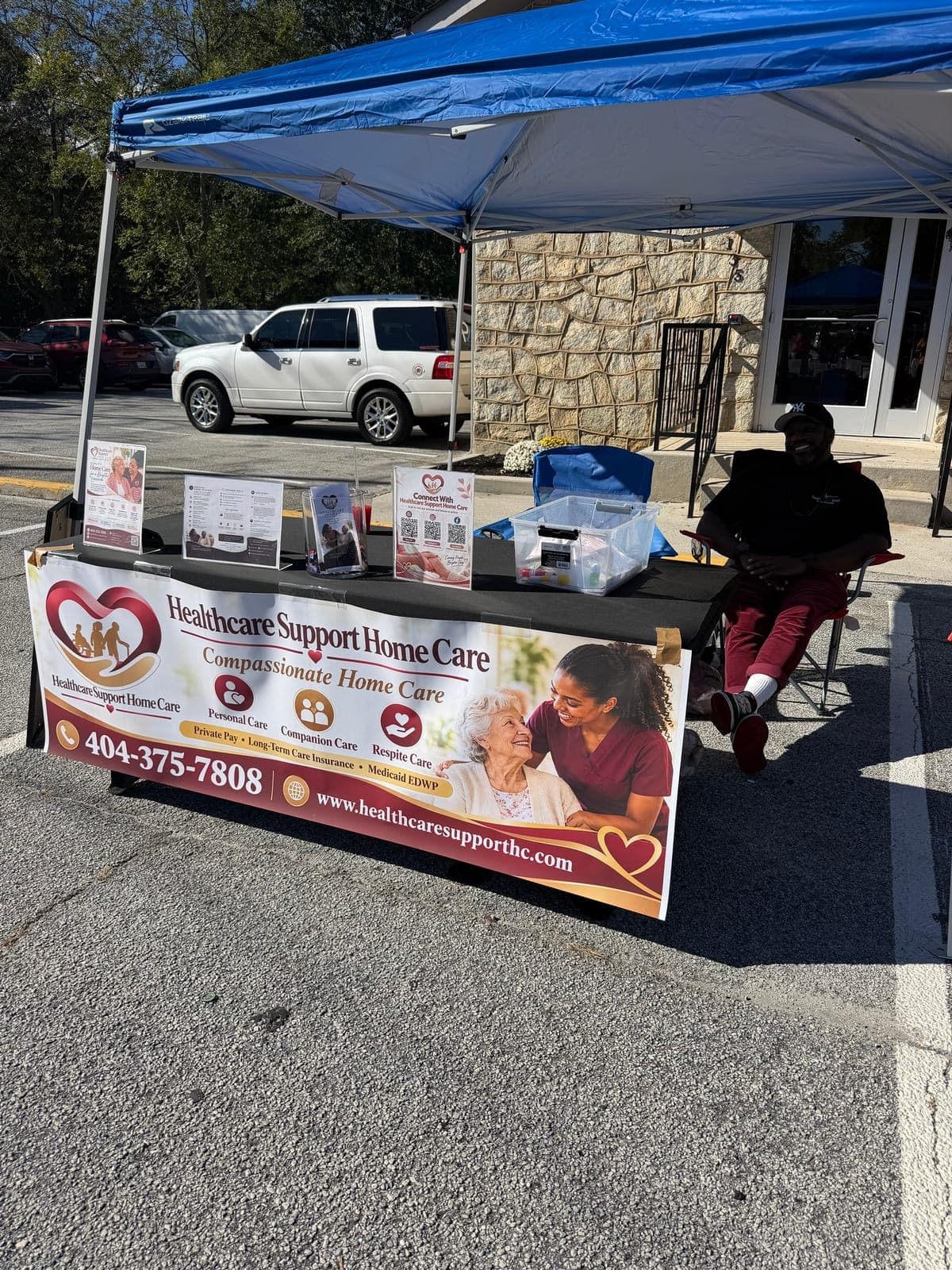
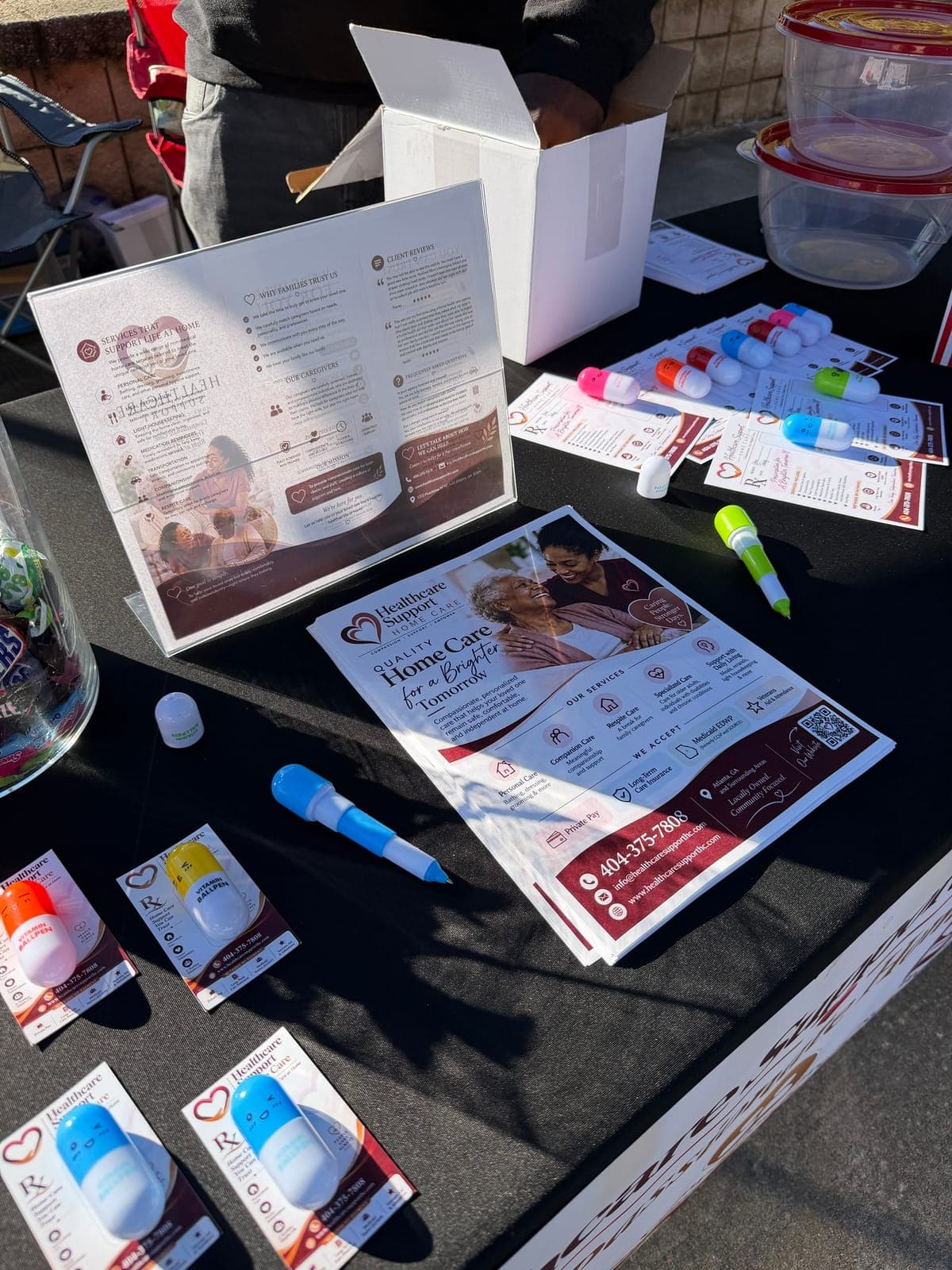
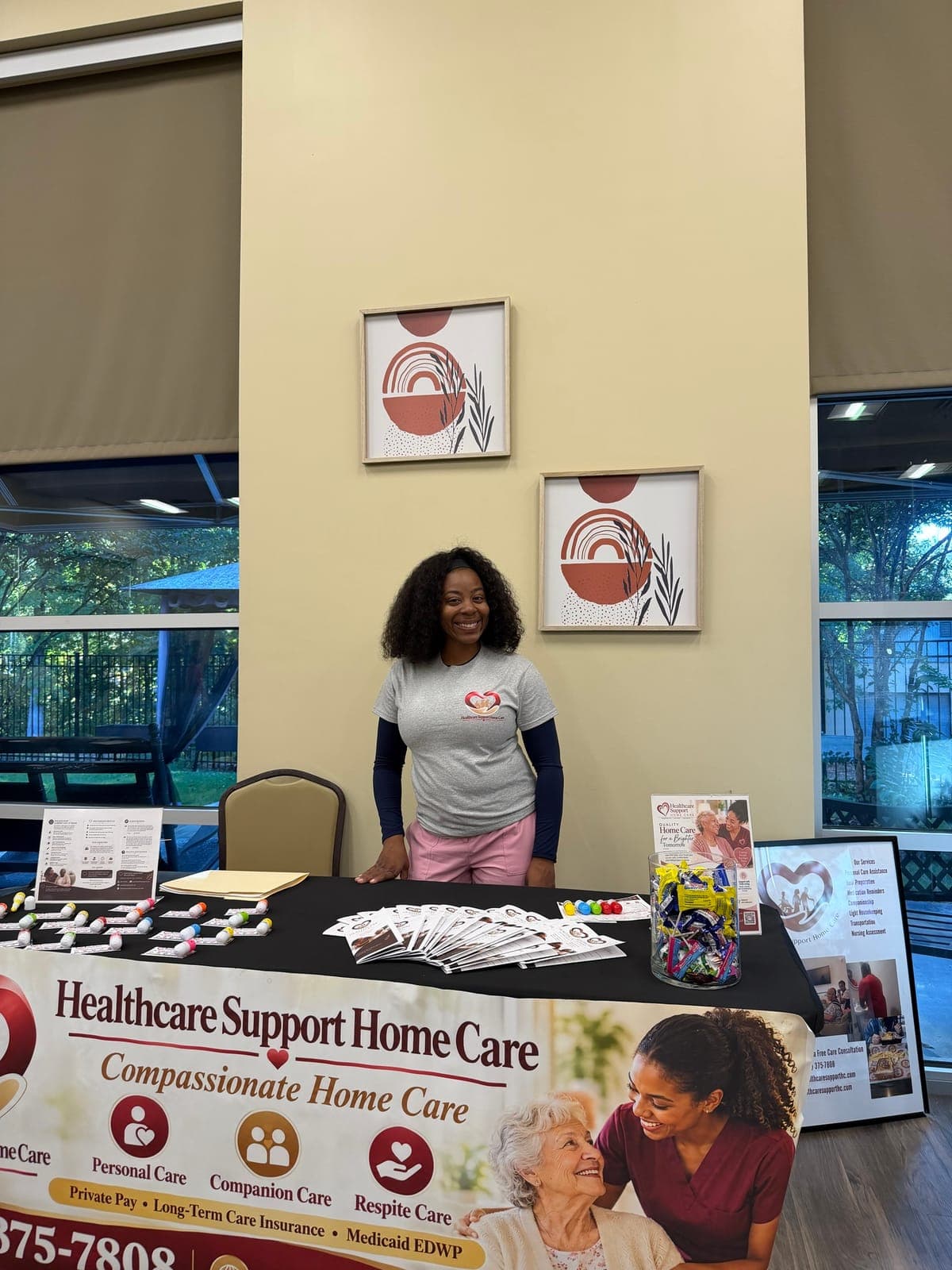
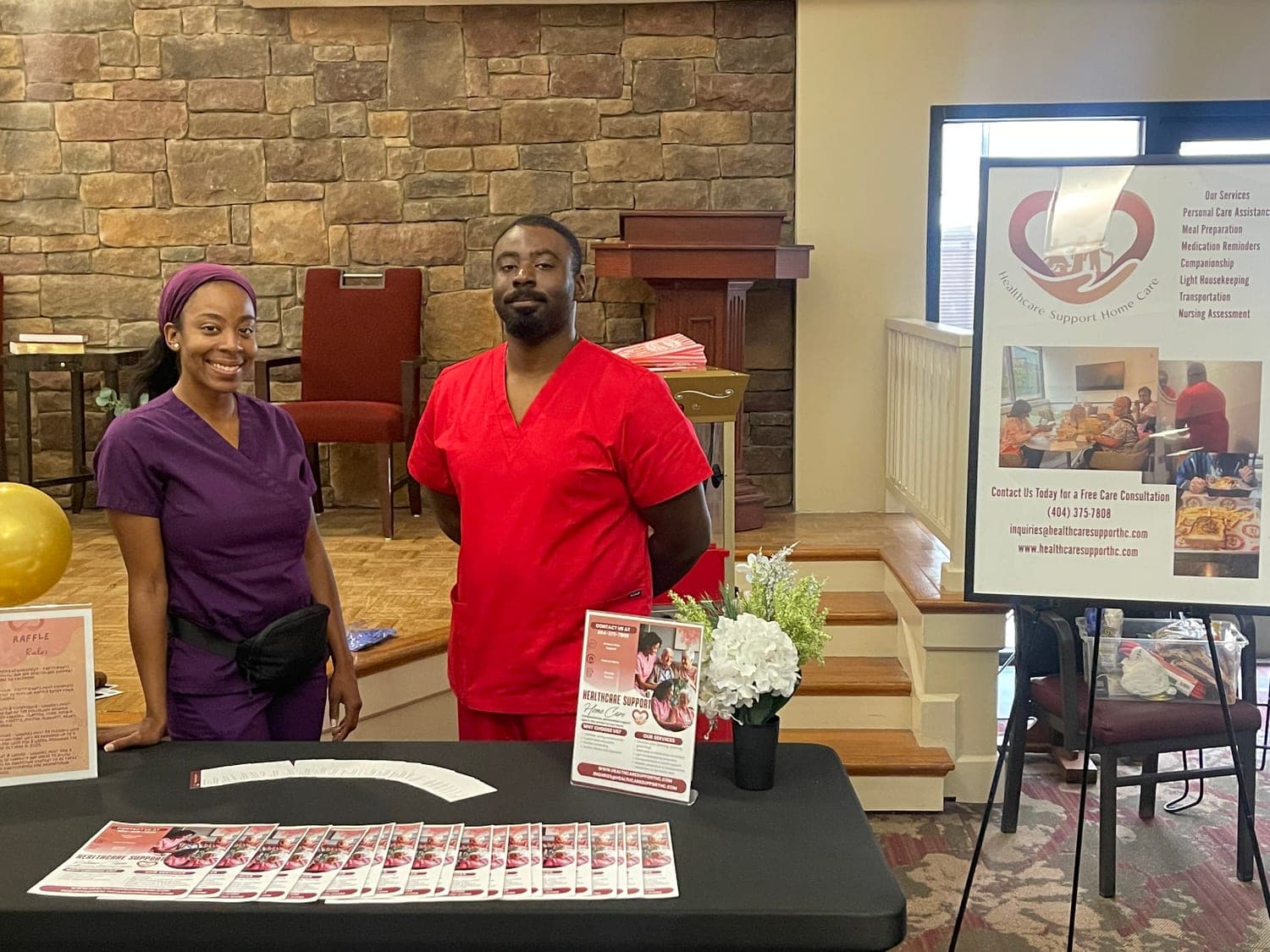
Common questions
Elderly and Disabled Waiver Program questions, answered
What is the Elderly & Disabled Waiver Program (EDWP)?
EDWP is a Georgia Medicaid program that pays for care at home instead of in a nursing facility. It is delivered through two models — the Community Care Services Program (CCSP) and SOURCE (Service Options Using Resources in a Community Environment). Both aim to keep people safely in their own homes.
I already have Medicaid. Doesn't that cover home care?
Usually not. Regular Medicaid and the waiver that pays for in-home care are two separate approvals, and most families we meet have one without the other. If you have Medicaid but are still paying out of pocket for help at home, the waiver is very likely what you are missing.
Is EDWP the same as CCSP and SOURCE?
Yes, in practice. EDWP was formerly known as CCSP and SOURCE, and those names are still used today for the two ways the waiver is delivered. If a doctor, hospital or case manager mentions either one, they are talking about this program.
How do I get started?
Start with our free two-minute eligibility check, or call us at (404) 375-7808. The official application goes through your county's Area Agency on Aging or an approved case management agency. You can reach the statewide Georgia ADRC line at (866) 552-4464, and we can help gather the medical records the application needs.
What is the difference between CCSP and SOURCE?
Income, mostly. SOURCE is capped at the SSI benefit rate and additionally assigns a primary care physician who coordinates with your case manager; it has no waiting list, but gives a spouse at home no financial protection. CCSP allows a much higher income, protects a spouse's income and savings, and covers the same services — but can carry a waiting list.
What are the income limits for 2026?
For SOURCE, $994 a month for one person and $1,491 for a couple where both apply. For CCSP, $2,982 a month for one person and $5,964 for a couple. These figures change every January with the Social Security cost-of-living adjustment.
What about savings and assets?
Countable assets must be under $2,000 for one person, or $3,000 for a couple where both apply. Crucially, the home, its contents, personal effects and one vehicle do not count. This is where most families wrongly rule themselves out — being "over the limit" on paper very often turns out not to be true.
What if the income is above the limit?
It is not the end of the road. Georgia allows a Qualified Income Trust — often called a Miller Trust — which holds the income above the limit and makes an application possible. It is routine, and we can point you to someone who sets them up.
Who qualifies medically?
Someone aged 65 or over, or an adult under 65 with a physical disability, who needs an intermediate nursing facility level of care. In practice that means needing hands-on help with everyday activities such as bathing, dressing, transferring or toileting. A state assessment called the DON-R makes the final determination.
How long does it take, and what does it cost me?
The state controls the timeline and we will not promise you a date we cannot keep. What we can say is that helping you apply costs you nothing — we gather the medical history and History & Physical, work with your support coordination agency, and keep you updated.
We serve Bibb, Carroll, Chatham, Cherokee, Clayton, Cobb, Coweta, DeKalb, Douglas, Fannin, Fayette, Forsyth, Fulton, Gilmer, Gwinnett, Haralson, Henry, Newton, Rockdale and Walton counties. This page is general guidance, not an eligibility determination — the state decides, from a functional assessment and a full financial review.
In their words
What families tell us
5.0 on Google · 5 reviews
Kendra is kind and understanding. She was quick to respond to my questions and easy to communicate with. Would definitely recommend this home health agency as they put your loved one's needs first and help to give you peace of mind during the process.
Haven't had the pleasure of meeting but one lady, Kendra. And she is Fantastic! Very caring, helpful, professional, knowledgeable, and sweet as can be. Kendra goes well above and beyond. We are very blessed to have her help!
Ms Kendra provided transportation and companionship to me spending 8 hrs together. She was very caring, compassionate and also easy to talk to. She helped me to feel safe and very attentive towards me.
This was not my first time using a home health care agency, but I was really surprised that they asked what my sister's likes and dislikes were. They were able to match a home health aid that really care about her needs. She was so professional and did her job like she was taking care of her own family member. I would recommend this agency to anyone that has a love one that needs to be taking care of and treated with dignity and respect.
You must have a good new little nurse. Noticed Mom's belonging folded and drawer clothing fixed nicely. I haven't seen this type of work since mom moved in. Also whoever did last night shift did an excellent job with mom's bedtime turn.
Marlene did a good job. Shieka is amazing, positive and supportive.
Let's find out where you stand.
Two minutes now could be the difference between paying for care and having it covered.
Not ready to talk to anyone yet?
Read our free family planning guide instead. It walks through the signs that it may be time for help, how to start the conversation, and what to ask any agency — at your own pace, with no phone call and no form.